

Living Systems Philosophy

Organizations are living systems shaped by continuous cycles of renewal influenced by purpose, values, people, culture, place, and capacity. Organizational development initiatives are not just technical exercises; they are relational. Organizations succeed when their systems are interconnected and reflect the lived and learned experiences of the people responsible for carrying the initiatives forward and the interests of communities and natural places for whom they exist to advance.
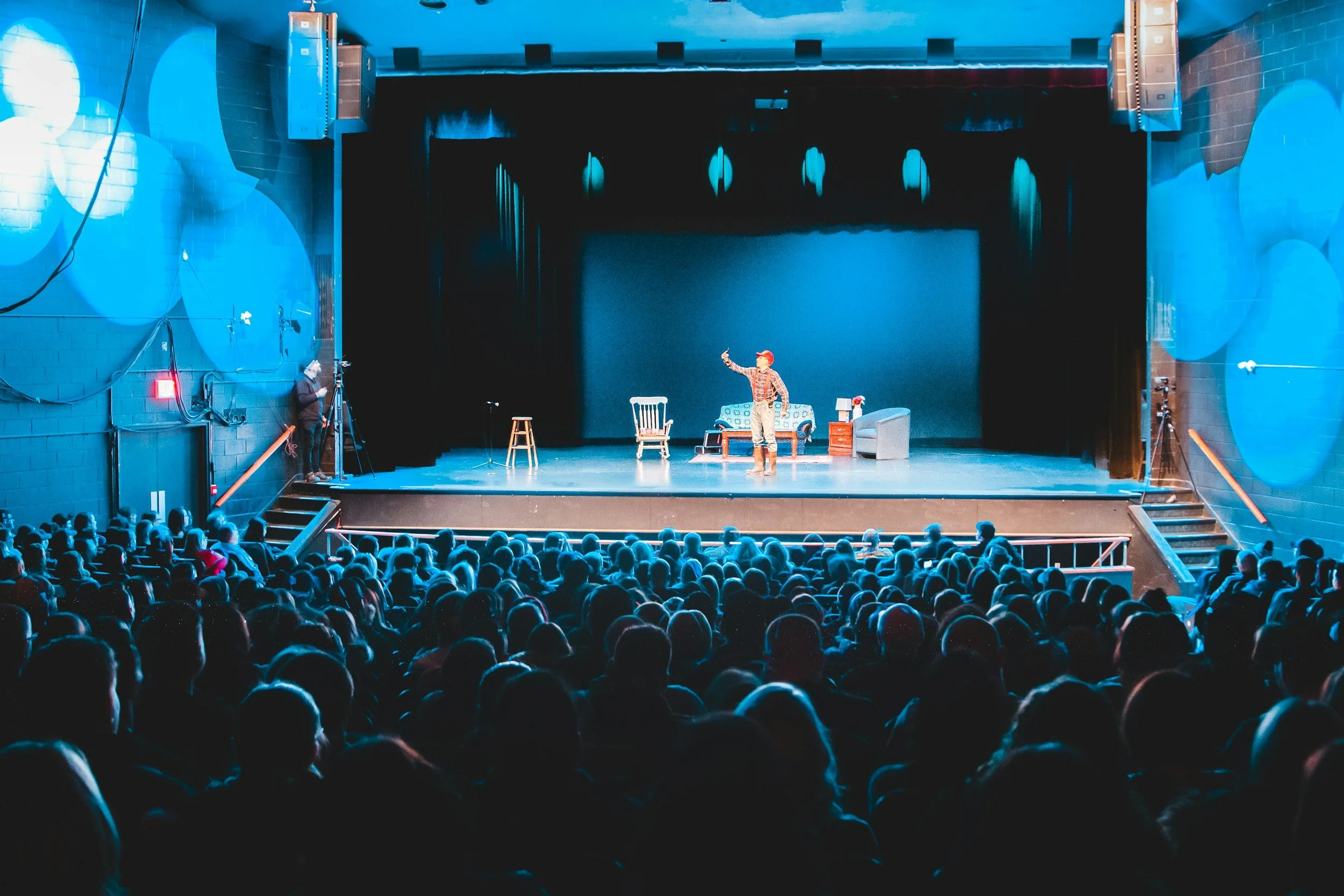
Applicability across fields. Living systems philosophy is not only for environmental organizations! It elevates human-centered organizations as well. It supports the implementation of trauma-informed practices in education, strengthens organizational infrastructure in the arts, advances effective systems in health and human services, and beyond. Humans are part of living systems, and organizational strategies that align with the living system principles that have sustained life for billions of years on Earth are simply more adaptive, effective, and enduring regardless of an organization’s mission.
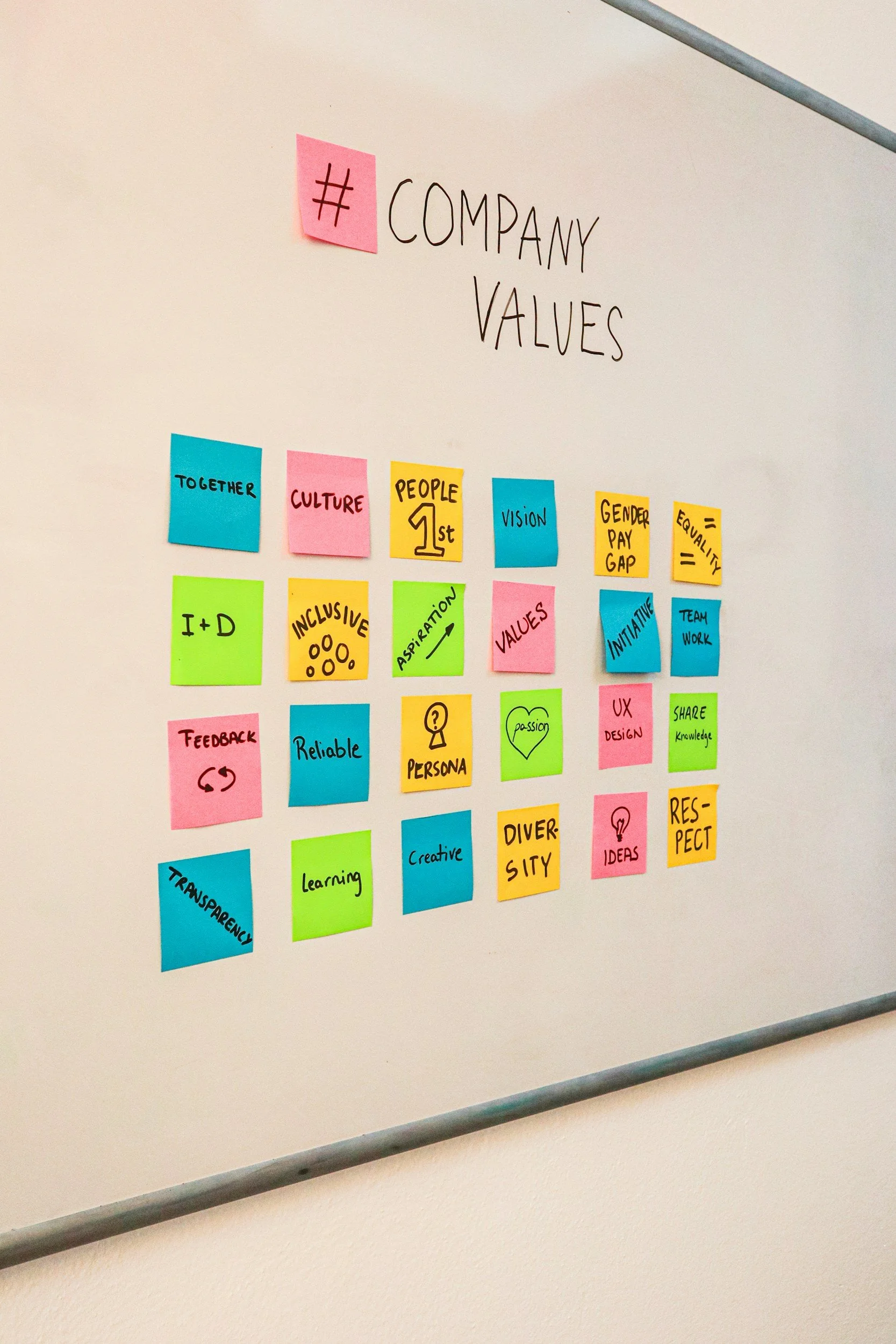
Enduring organizational design is inspired by nature’s almost four billion years of experience in adapting to Earth’s ever changing conditions. Just as resilient ecosystems rely on diversity, balance, feedback loops, and clear boundaries; sustainable organizations benefit from a variety of perspectives and partners, iterative learning, evaluation, a healthy workplace culture, and an honest understanding of capacity. Successful organizational development designs build from the ground up, fit form to function, and align ambition and capacity with consideration for when to optimize and when to grow, just like successful ecosystems.
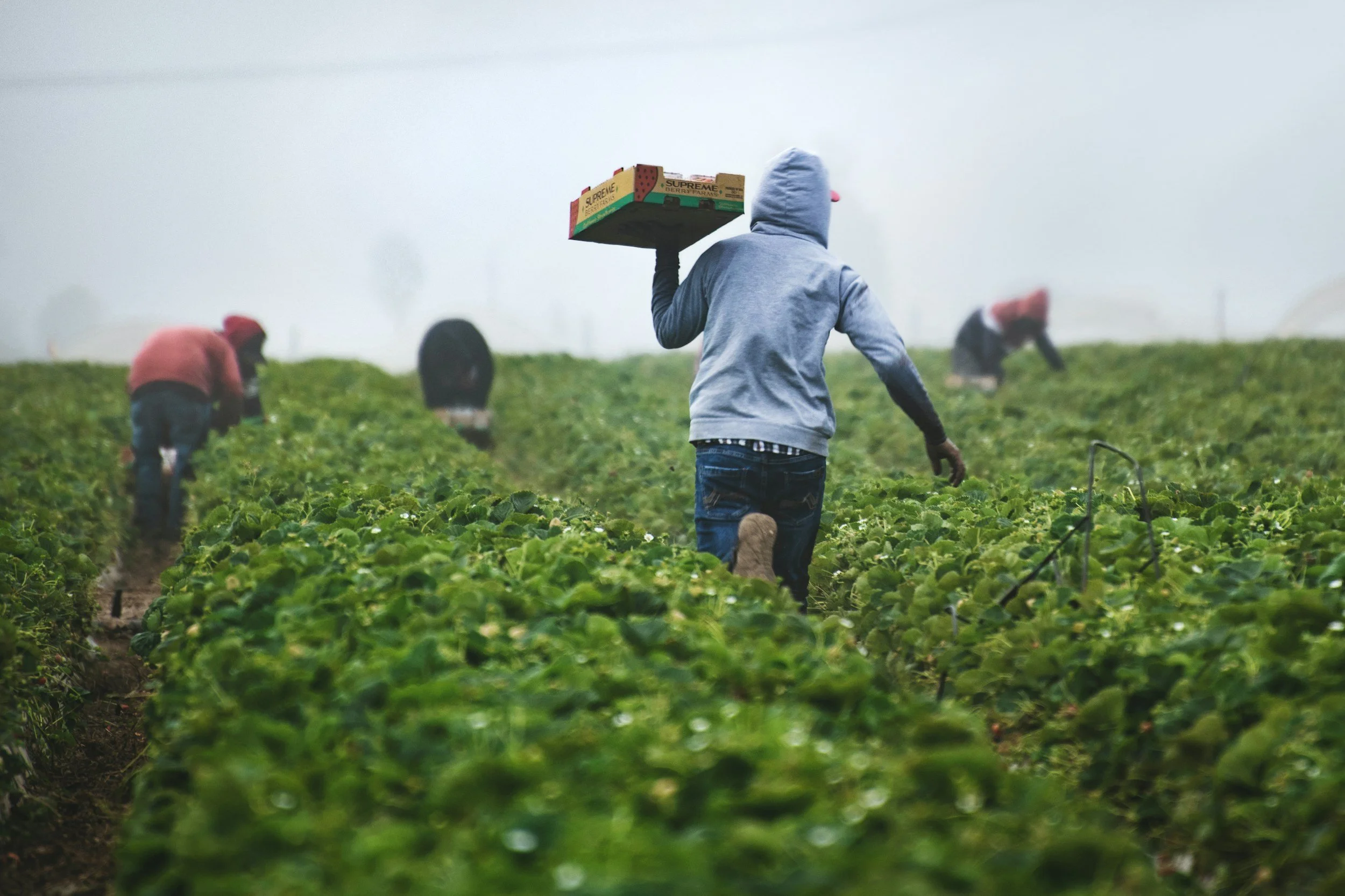
Resilience emerges from place-based processes. Organizational development engagements are inclusive, accessible, well-paced, and grounded in real-world constraints. By engaging boards, staff, volunteers, partners, and community members in meaningful ways, organizations are able to clarify what matters most, align around shared priorities, and make decisions that support both organizational health and broader well-being for people and places.

Simplicity over flash. Intentional and elegant use of time and resources is paramount. Clarity, accessibility, and practicality are valued over complexity for its own sake. Organizational development initiatives and their products are co-created and designed to be used as guides that influence day-to-day decisions, support accountability, advance communication, and help organizations adapt to changing conditions without losing sight of their mission to ensure everyone rows in a unified direction.
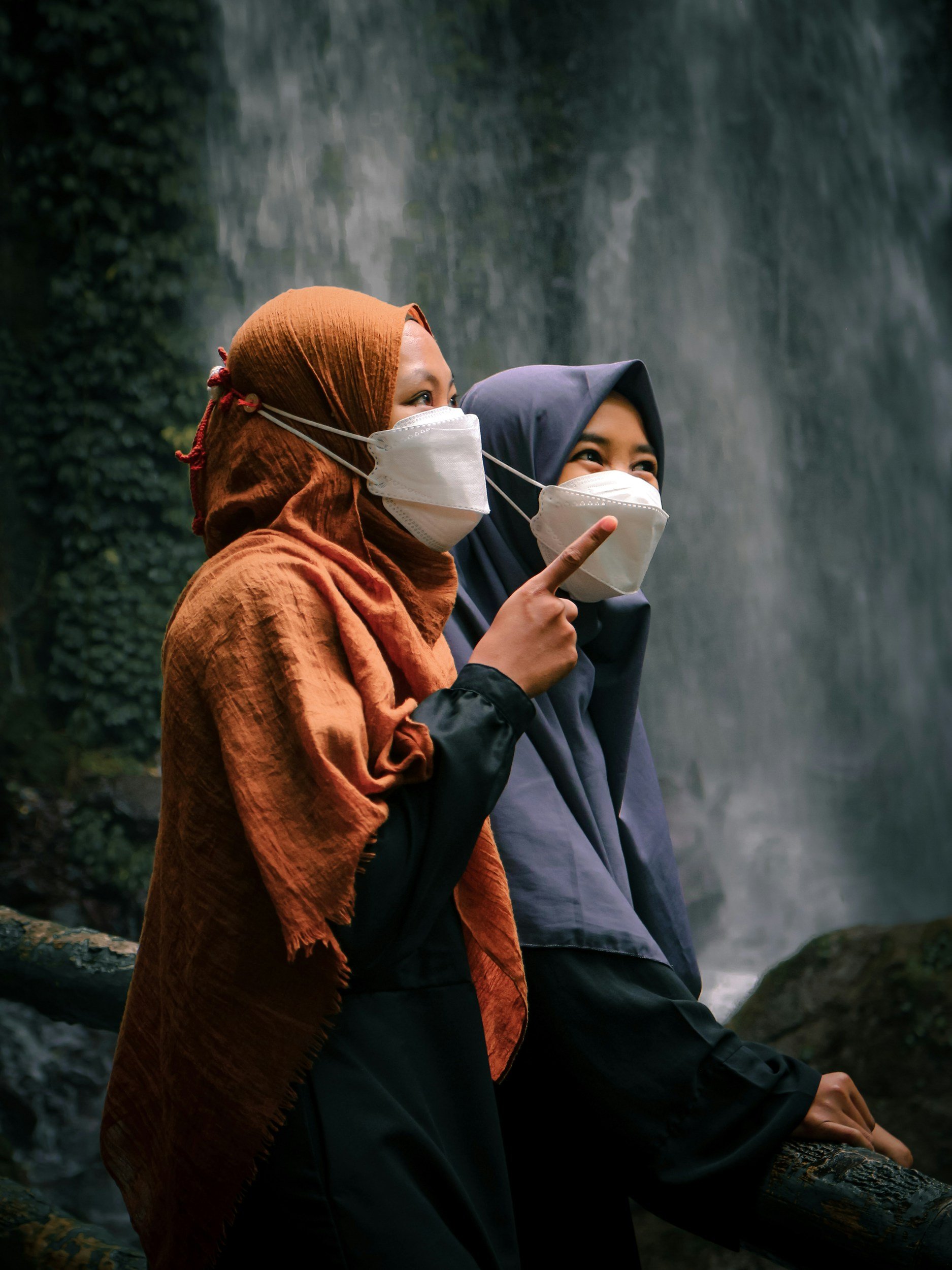
Human well-being and the health of our lands, waters, and wildlife are mutually reinforcing systems. Thriving natural places support physical and mental health, local economies, social connection, cultural continuity, and artistic inspiration. Healthy, resourced, connected, and creative communities, in turn, have a greater capacity to actualize their full potential and more thoughtfully live with the land and benefit from its time-tested recipe for resilience. When this interconnected, reciprocal, and regenerative relationship is recognized and nurtured, both people and places become more adaptable and capable of thriving across changes and over time.